A slight bleeding while brushing often feels harmless. Many people rinse, shrug, and move on, much like ignoring a dripping tap because it hasn’t flooded the house yet. Dentists, however, read those early signs very differently. At Anvi Dental Clinic, patients often arrive surprised that such a small symptom can point to something deeper. If you ever wondered whether it is time to speak to a gum specialist, this story gently nudges you to keep reading and connect the dots yourself.
The Quiet Beginning That Most People Miss
Gum disease rarely announces itself loudly at the start. It prefers subtlety. Swollen gums, mild sensitivity, or bad breath sneak into daily life and settle there quietly. Many people assume stress, food habits, or brushing style cause these changes. The gums, however, act like soil around a plant. When the soil weakens, the plant struggles, no matter how strong the leaves look.
Dentists see this pattern often, even among people who brush twice a day. Plaque builds along the gumline and hardens into tartar. Bacteria then irritate the gums and invite inflammation. This process feels slow, almost polite, until discomfort demands attention.
When Gums Try to Send Louder Signals
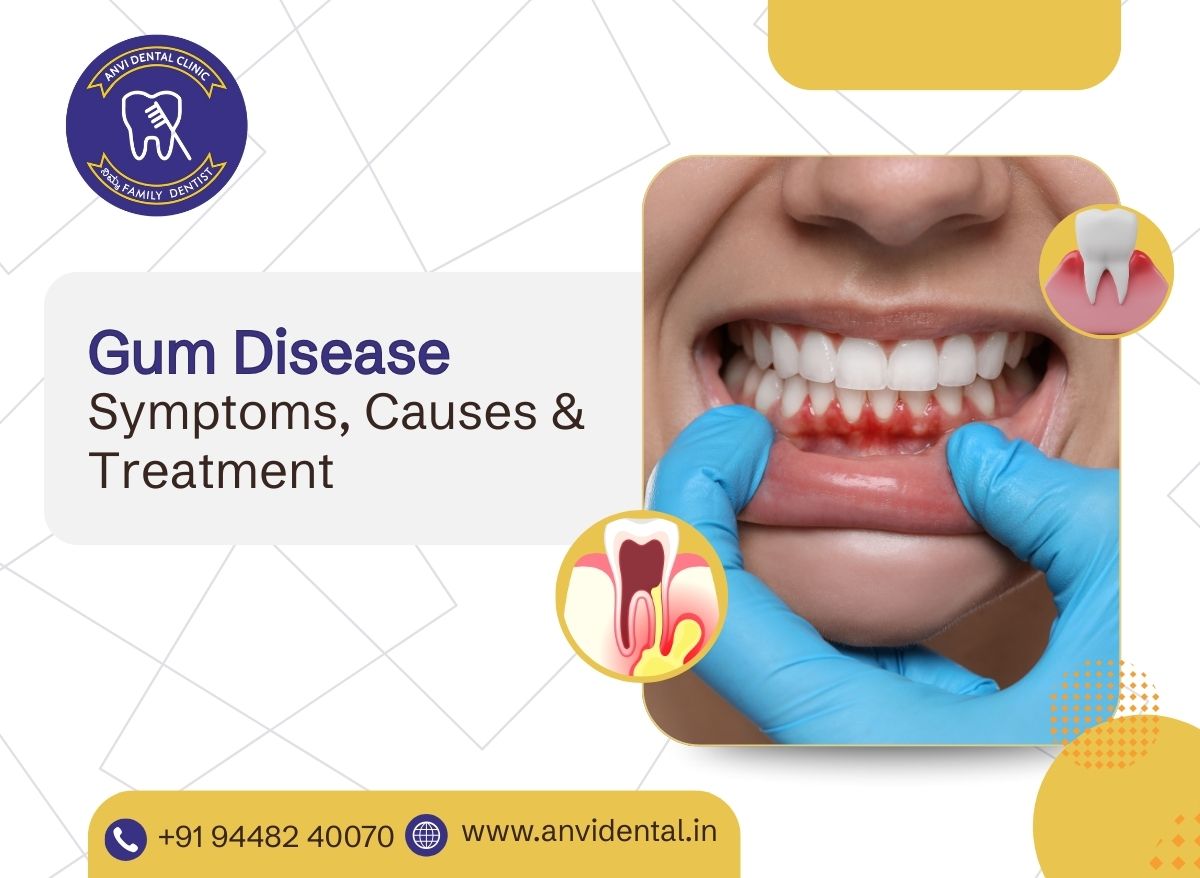
As gum disease progresses, the signals grow clearer. Gums bleed more easily. They may look red or puffy instead of firm and pink. Some people notice a persistent metallic taste or bad breath that refuses to leave despite mouthwash.
At this stage, daily routines start to feel uncomfortable. Eating crunchy food becomes tricky. Smiling feels less confident. Many patients share that they delayed visiting a dentist because the pain stayed manageable. Unfortunately, gum disease thrives on delay, much like weeds spreading when left unattended.
Understanding the Causes Without Blame
Gum disease does not point fingers. It builds through habits and conditions that feel common.
Some common contributors include:
- Irregular brushing or flossing
- Plaque buildup near the gumline
- Smoking or tobacco use
- Hormonal changes and stress
- Medical conditions like diabetes
Each factor adds a small weight. Over time, those weights tip the balance against gum health. Dentists focus on understanding these factors rather than blaming patients. Awareness opens the door to change.
Why Early Care Changes Everything
Early intervention transforms outcomes. Gingivitis, the initial stage, responds well to professional cleaning and improved home care. Gums regain strength and color with consistency. Advanced stages, however, require more careful attention and expert guidance.
This is where a trained gum specialist steps in. These specialists focus on gum and bone health and manage complex cases with precision. Their role feels similar to a gardener who understands not just the flowers but the roots beneath.
Treatment Feels Less Intimidating Than You Expect
Many people fear gum treatment because they imagine discomfort or a long recovery. Modern dentistry, however, prioritizes comfort and clarity. Dentists explain each step and adjust treatment plans to individual needs.
Common approaches include:
- Professional deep cleaning to remove tartar
- Medications to control bacterial growth
- Gum therapies that support healing
- Ongoing maintenance plans
Patients often express relief after treatment begins. The mouth feels lighter, cleaner, and healthier. The fear usually fades faster than expected.
Daily Habits That Support Healing
Treatment works best when daily habits support it. Dentists encourage simple changes rather than drastic routines. Consistency matters more than perfection.
Helpful habits include:
- Gentle brushing twice daily
- Daily flossing along the gumline
- Using dentist-recommended mouth rinses
- Avoiding tobacco products
- Scheduling regular dental visits
These steps work together like musicians in an orchestra. Each plays a part, and harmony follows when everyone shows up on time.
A Heading Worth Pausing For: When to Visit a Gum Specialist
Knowing when to seek expert care makes a difference. Persistent bleeding, loose teeth, gum recession, or discomfort while chewing deserve professional attention. Ignoring these signs feels like ignoring a cracked foundation because the walls still stand.
Gum Specialist Dr. Anup at Anvi Dental Clinic guides patients patiently through evaluation and treatment planning. They focus on long-term stability rather than quick fixes. That approach builds trust and results that last.
The Emotional Side of Gum Health
Gum disease affects more than the mouth. It influences confidence, comfort, and social ease. Many patients admit they avoid smiling or speaking closely because of breath concerns. Others worry about tooth loss or costly treatments.
Addressing gum health restores more than tissues. It restores peace of mind. Patients often describe renewed confidence once their gums feel healthy again. That emotional shift matters as much as the clinical outcome.
Local Stories That Feel Familiar
Busy professionals in Bangalore often juggle long work hours and skipped meals. Oral care slips down the priority list easily. Dentists frequently hear patients say they meant to book an appointment but postponed it repeatedly. These stories sound familiar because they reflect modern life.
The good news lies in timing. Even late action helps when guided correctly. Dentists encourage patients to start wherever they stand today.
Frequently Asked Questions
How do I know when to consult a gum specialist?
You should consider consulting a gum specialist if you notice persistent bleeding, swelling, or gum recession. These signs suggest that basic home care may not be enough. Early evaluation prevents progression and protects supporting bone. Timely care often simplifies treatment and improves comfort.
What role does a periodontist play in gum disease care?
A periodontist focuses on diagnosing and treating conditions that affect the gums and bone. They manage advanced stages of gum disease with specialized techniques. Their expertise helps preserve natural teeth whenever possible. Patients benefit from targeted and precise care plans.
Can gum disease affect overall health?
Yes, gum disease can influence overall health through chronic inflammation. Studies link it with conditions like diabetes and heart disease. Healthy gums support better systemic balance. Addressing gum issues improves both oral and general well-being.
Is gum disease treatment painful?
Modern gum treatments focus on comfort and patient ease. Dentists use advanced tools and techniques to minimize discomfort. Most patients report mild sensitivity rather than pain. Clear communication during treatment helps reduce anxiety.
How do I choose the right gum treatment & dental clinic in Mysore?
Choosing the right clinic involves checking expertise, patient reviews, and treatment transparency. Clinics that explain options clearly build trust. A comprehensive approach supports long-term gum health. Regular follow-ups ensure lasting results.
Precaution or Pain? It’s For You To Decide
Gum disease does not rush, but it also does not retreat on its own. It responds to attention, care, and informed decisions. Dentists at Anvi Dental Clinic believe small steps taken today protect smiles for years to come. If your gums whisper concerns, listen closely and consider meeting a gum specialist before they feel the need to shout.