Missing a tooth rarely feels urgent on day one. It starts with small adjustments. You chew slower. You choose softer food. You angle your face slightly while smiling for photos. Life continues, but something feels incomplete. Many patients who eventually visit Anvi Dental Clinic say the same thing. They did not rush in because of pain. They walked in because curiosity finally met concern, especially after hearing about dental implant treatment and wondering if it could truly feel like getting their own tooth back.
This blog does not hand you a straight answer upfront. Instead, it invites you to follow the trail dentists see every day, one sign, one decision, one quiet realization at a time.
The Moment People Start Asking the Real Question
People rarely wake up thinking about implants. The thought usually appears while eating corn on the cob, laughing without covering the mouth, or biting into something unexpectedly crunchy. These moments trigger a question that lingers longer than expected.
Am I adjusting too much?
Dental implants enter the conversation not as a luxury but as a possibility. Dentists do not rush this conversation. They listen first because every mouth tells a different story.
What a Missing Tooth Does Behind the Scenes
A missing tooth behaves like a missing brick in a wall. The structure may stand initially, but pressure redistributes slowly. Nearby teeth tilt. Bite alignment shifts. Jawbone loses stimulation and starts thinning. None of this feels dramatic at first.
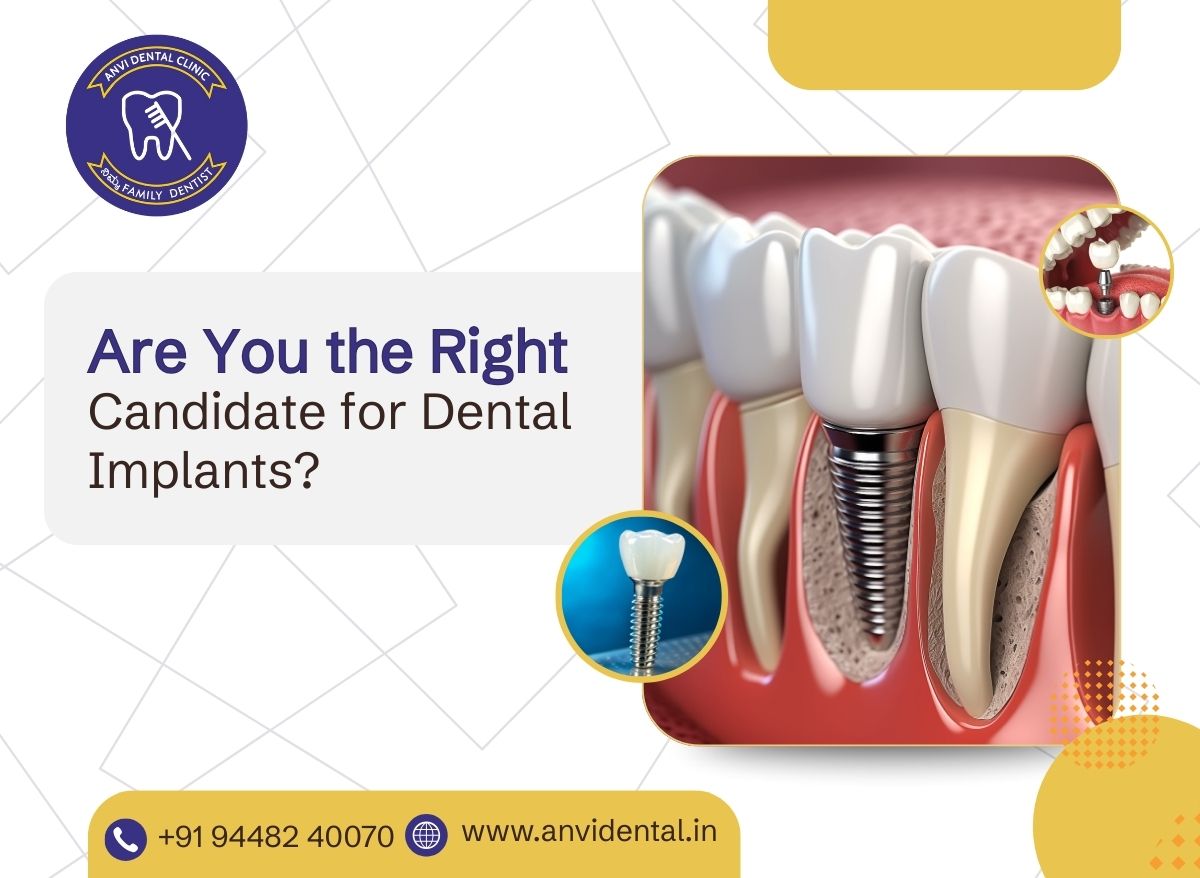
Dentists notice these changes early because they look beyond what meets the eye. Dental implants aim to restore function at the root level, not just fill a visible gap. That goal explains why careful evaluation matters more than quick decisions.
The Foundation Check Nobody Talks About Enough
Bone health quietly decides most implant outcomes. Dentists assess bone density and volume before planning any further treatment. Healthy bone supports integration and long-term stability. Weak bone requires preparation.
Several factors influence bone readiness:
- How long has the tooth been missing
- Jawbone density and shape
- Gum health in the area
- Past infections or trauma
This step feels less exciting than choosing a crown shade, but it carries far more weight.
A Shift in Perspective: Dental Implant Treatment Is a Process
Many people imagine implants as a single appointment solution. In reality, dental implant treatment unfolds in stages. Dentists prefer this paced approach because healing thrives on patience.
Preparation may include cleaning, gum care, or bone strengthening. Placement follows only when conditions support success. This structured journey protects comfort and longevity.
At Anvi Dental Clinic, dentists emphasize planning as much as placement. Patients often feel reassured once they understand the logic behind each step.
Lifestyle Habits That Influence Eligibility More Than Age
Age worries many patients unnecessarily. Dentists focus on habits instead of birthdays. Smoking, poor oral hygiene, and uncontrolled medical conditions affect healing far more than years lived.
Positive habits strengthen candidacy:
- Consistent brushing and flossing
- Tobacco cessation or reduction
- Regular dental checkups
- Honest communication with the dentist
These habits act like training before a marathon. Preparation improves performance and recovery.
When Expertise Makes a Noticeable Difference
Implants demand precision. A dental implant specialist evaluates angles, bite forces, and bone interaction carefully. Their experience guides decisions that general observation may miss.
This expertise matters especially in complex cases involving bone loss or previous dental work. Patients often feel relief knowing a specialist oversees the process rather than guessing outcomes.
The Emotional Side of Implant Decisions
Dental decisions carry emotional weight. Patients worry about pain, cost, and permanence. Some fear disappointment if results fall short of expectations.
Dentists address these concerns openly. They explain realistic outcomes and timelines. This transparency builds trust and eases anxiety. When patients feel informed, they feel empowered rather than pressured.
Who Usually Qualifies for Dental Implant Treatment?
Eligibility often surprises people. Many qualify with minor preparation. Dentists assess overall oral health, bone condition, and commitment to aftercare. Those willing to follow guidance often succeed.
Dentists do not label patients as good or bad candidates casually. They prefer readiness over speed. This approach protects results and patient satisfaction.
Why Waiting Too Long Can Complicate Things
Delaying implant consideration allows bone loss to progress. Adjacent teeth shift further. Restorative options become limited over time.
Dentists often explain this like leaving a garden unattended. Weeds spread. Soil weakens. Restoration later requires more effort. Early consultation preserves choices even if treatment happens later.
Local Patterns Dentists See Often
In Bangalore, packed schedules dominate daily life. Commutes run long. Meals get skipped. Dental appointments slide easily. Dentists see patients who postponed care because nothing hurt enough.
Once discomfort appears, urgency replaces hesitation. Dentists encourage earlier conversations because prevention and planning simplify everything that follows.
What Patients Often Feel After the First Consultation
Most patients leave consultations feeling lighter. Knowledge replaces fear. Options replace assumptions. Even those who delay treatment appreciate clarity.
Dental implant discussions rarely end with pressure. They end with understanding. That understanding helps patients decide when the time feels right.
FAQs
How do dentists decide if I qualify for dental implant treatment?
Dentists evaluate bone health, gum condition, and oral hygiene to assess dental implant treatment eligibility. They also review medical history and lifestyle habits. This evaluation identifies whether preparation is needed. A tailored plan follows based on findings.
Why should I see a dental implant specialist for implants?
A dental implant specialist brings focused training and experience in implant placement. They carefully manage complex anatomy and bite dynamics. Their expertise reduces risks and improves outcomes. Patients benefit from precision-driven planning.
Can bone loss still allow implants?
Bone loss does not automatically exclude implants. Dentists may recommend bone grafting to rebuild support. This preparation improves stability and success. Many patients regain eligibility through guided care.
How long does implant treatment usually take?
Treatment duration varies based on healing needs and preparation. Some cases complete faster, while others require staged care. Dentists explain timelines clearly during consultation. Patience supports long-term success.
Is recovery after dental implants difficult?
Modern techniques prioritize comfort and controlled healing. Most patients experience mild discomfort rather than severe pain. Dentists guide recovery with clear instructions. Normal routines usually resume quickly.
Right Decision On The Right Time!
Dental implants rarely feel like impulsive choices. They feel right when information, readiness, and trust align. Dentists value informed decisions over rushed commitments.
At Anvi Dental Clinic, conversations focus on clarity and comfort. If curiosity about dental implant treatment continues to linger, that curiosity may signal readiness. When that moment arrives, the right guidance can make the journey feel far less intimidating than expected.