There’s a special kind of panic that hits when you bite into your favorite ice cream and feel that sharp, electric jolt shoot through your jaw. You freeze, not because of the cold, but because your tooth just sent a distress signal. You try to ignore it, switch to the other side while chewing, maybe even pop a painkiller, convincing yourself it’s “nothing serious.” But your tooth knows better.
At Anvi Dental Clinic, patients walk in every week with one simple complaint: “It started as a tiny toothache.” That tiny twinge often turns out to be the tooth’s SOS call for a root canal treatment. And here’s the kicker: the longer you wait, the louder (and more expensive) that cry for help becomes.
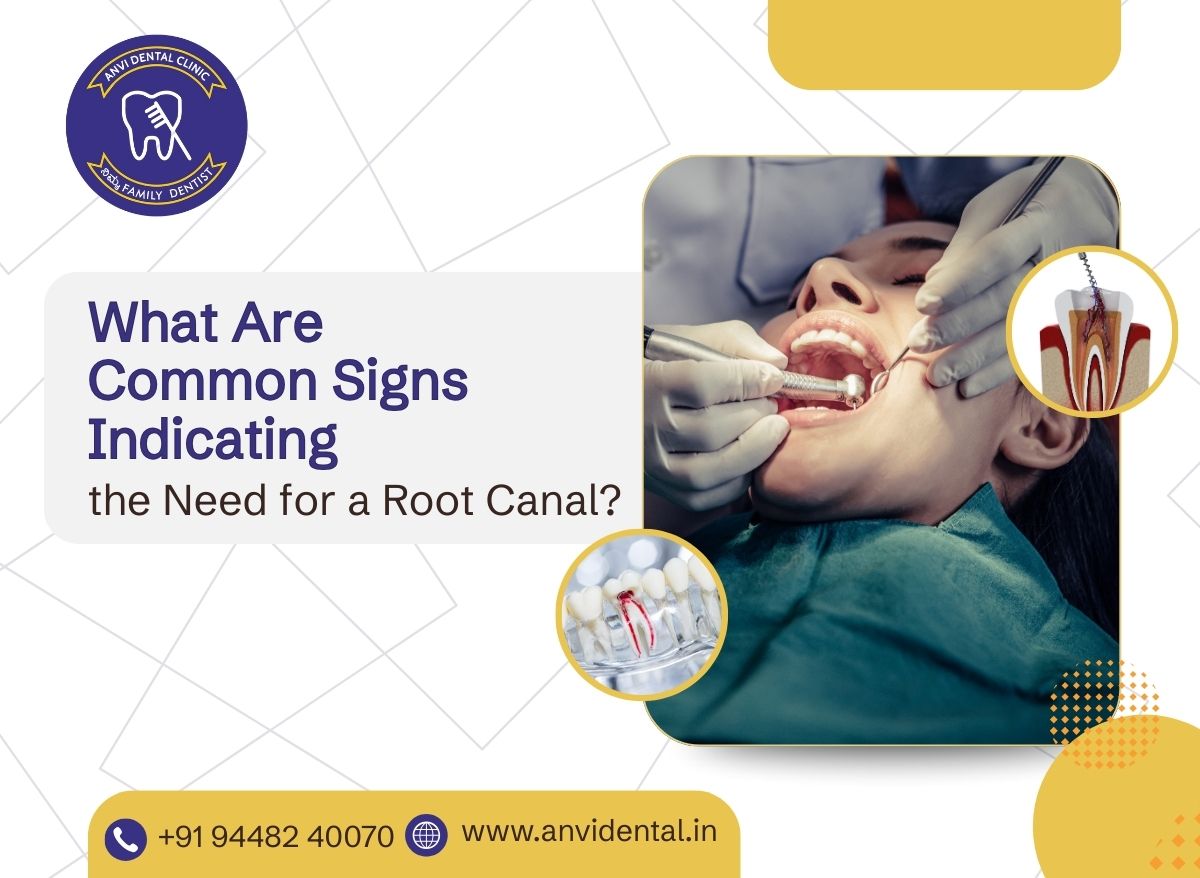
Before you imagine drills, pain, and dental horror stories, take a deep breath. Root canals today are quick, painless, and you can visit Anvi Dental Clinic for painless root canal treatment in Mysore. But the real question is: how do you know when you actually need one? Let’s decode the warning signs before that mild annoyance turns into a full-blown dental drama.
What Exactly Is a Root Canal Treatment (And Why Should You Care)?
Think of your tooth like a tiny apartment. The outer enamel is the strong brick wall, the dentin is the insulation, and the pulp inside is the power unit — full of nerves and blood vessels keeping things alive. When decay or infection reaches that inner “power unit,” the pain begins. That’s when a root canal treatment steps in like a professional electrician fixing a blown circuit before the whole system fails.
During a root canal, your dentist removes the infected pulp, disinfects the canal, and seals it to stop the pain and prevent further damage. It’s not scary — it’s your tooth’s second chance at survival.
How Do You Know It’s Time for a Root Canal?
Your teeth aren’t subtle — they tell you when something’s wrong. You just have to listen. Here are some unmistakable signs your tooth might be crying out for help:
1. Persistent Pain That Just Won’t Quit
If your toothache is the kind that keeps you up at night, throbs after meals, or lingers long after that sip of hot coffee, it’s time to stop ignoring it. Pain that deep and constant often means the pulp inside is infected.
2. Sensitivity That Feels Like Betrayal
You know that moment when something cold hits your tooth and it feels like an electric shock? That sharp, lingering sensitivity is one of the earliest red flags.
3. Swelling or Tenderness Around the Gums
If your gums near the problem tooth look puffy, feel sore, or even have a tiny bump (like a pimple), that’s your body waving a red flag that infection is brewing.
4. Darkening of the Tooth
A tooth turning grey or brown isn’t just about coffee stains — it can mean the nerve inside is dying. When that happens, root canal treatment is the only way to save it.
5. Pain While Chewing
If chewing feels like your tooth is auditioning for a pain commercial, something’s definitely off. Inflamed pulp or infection makes even light pressure feel unbearable.
Your tooth doesn’t send these signals for fun. It’s asking for attention — not sympathy.
Why Ignoring the Pain Never Ends Well
Skipping a root canal is like ignoring a dripping ceiling — the leak won’t fix itself, and soon you’ll be dealing with something much worse. Untreated infections spread from your tooth to your jawbone and even into your bloodstream.
At Anvi Dental Clinic, dentists often see patients who waited too long and ended up needing more complex (and expensive) treatments. And while we’re on the subject, yes, the root canal treatment cost can vary depending on how advanced the infection is. But trust us, it’s far cheaper than replacing a lost tooth later.
What Happens During a Root Canal (Without the Scary Music)?
Forget the old horror stories — modern dentistry has turned the root canal into a comfortable, almost relaxing experience. Here’s what actually happens:
- Diagnosis: The dentist takes an X-ray to see how deep the damage goes.
- Anesthesia: Your tooth gets numbed, so you feel nothing. (Really, nothing.)
- Cleaning: The dentist carefully removes the infected pulp and cleans the canal.
- Sealing: The canal is filled and sealed to prevent bacteria from returning.
- Restoration: The dentist places a crown or filling to protect your newly restored tooth.
You walk out pain-free, infection-free, and able to bite into life (and pizza) again without fear.
Is the Cost of a Root Canal Worth It?
Here’s some perspective — skipping treatment to “save money” is like ignoring your car’s engine light to save on gas. Sure, it feels like you’re saving now, but the repair later will hit much harder.
The cost of root canal treatment in Mysore depends on the tooth’s location (front teeth are simpler than molars), the infection’s severity, and any additional treatment is needed. On average, it’s an investment in keeping your natural tooth alive and healthy — something no artificial replacement can truly match.
Can a Root Canal Fail?
While root canals boast a high success rate, skipping aftercare can ruin the results. Think of it like getting a phone fixed, but then dropping it again. Regular checkups, good oral hygiene, and avoiding hard foods for a few days keep your treatment successful and lasting for decades.
Why Choose Anvi Dental Clinic for Root Canal Treatment?
At Anvi Dental Clinic, the goal isn’t just to fix your tooth; it’s to make the experience as comfortable as possible. The clinic combines advanced technology, precision techniques, and gentle care to ensure every root canal feels stress-free.
The dentist uses digital imaging to spot infections early and delivers anesthesia painlessly, designing every step to keep you relaxed. And with experienced endodontists on board, your tooth is in the safest hands possible.
Ready to Stop the Pain and Save Your Tooth?
Don’t wait for that toothache to become the star of your nightmares. Schedule your root canal treatment in Mysore at Anvi Dental Clinic today and experience relief that lasts.
Because ignoring the pain won’t make it go away — but fixing it will make you smile again.
FAQs
1. What are the most common signs that I need a root canal?
The biggest signs include persistent pain, tooth sensitivity, swollen gums, or darkened teeth. These symptoms indicate that the pulp inside the tooth is infected and needs immediate attention.
2. Does a root canal treatment hurt?
No. Modern dental technology ensures that root canals are completely painless. With local anesthesia, the procedure feels no different from getting a regular filling.
3. How much does a root canal treatment cost in Mysore?
The cost of root canal treatment in Mysore depends on factors like the tooth’s location, infection severity, and material used. Most patients find it affordable compared to extraction and replacement costs.
4. How long does the procedure take?
The dentist completes most root canals in one or two visits. Each session typically lasts between 45 and 90 minutes, depending on the complexity of the case.
5. Can a treated tooth get infected again?
If maintained well, root canals last a lifetime. However, neglecting oral hygiene or skipping regular checkups can allow bacteria to return. Regular brushing, flossing, and dental visits keep your treated tooth healthy.